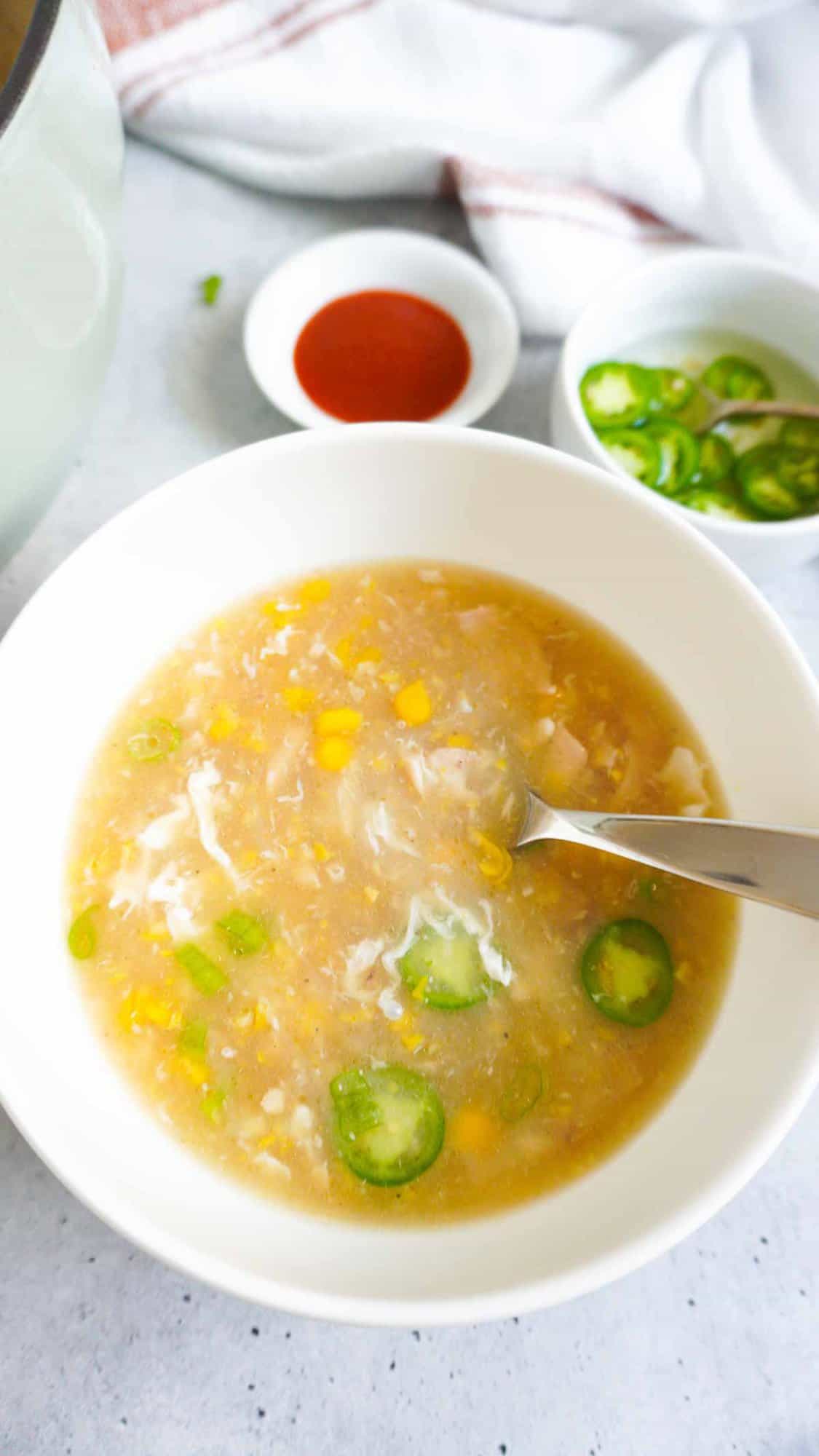
The Heartwarming Embrace of Pakistani Chicken Corn Soup: A Culinary Journey
There's an undeniable charm to a steaming bowl of
chicken corn soup, especially when it carries the distinctive warmth and flavor profile of Pakistani cuisine. This beloved comfort food, a testament to the beautiful fusion known as Indo-Chinese, offers a symphony of tender chicken, sweet corn, and a savory broth that soothes the soul. What makes this particular rendition even more appealing today is its incredible adaptability, allowing health-conscious home cooks to transform it into a gluten-free and grain-free delight without sacrificing an ounce of its authentic taste. Whether you're adhering to a specific dietary regimen or simply seeking a lighter, more anti-inflammatory option, this Pakistani-style
chicken corn soup invites you to savor a healthier take on a classic.
Indo-Chinese Comfort: A Pakistani Culinary Staple
The culinary landscape of South Asia is rich with adaptations, and few are as cherished as Indo-Chinese cuisine. This vibrant fusion is born from the introduction of Chinese cooking techniques and ingredients to local palates, resulting in dishes that resonate with regional preferences. Growing up, many Pakistanis recall this very
chicken corn soup being a mandatory accompaniment to "Chinese night" meals – a testament to its widespread popularity and integration into family traditions. It's more than just a soup; it’s a bowl of nostalgia, a go-to for chilly evenings, and a reliable remedy for the common cold. Its appeal as a comfort food is universal, and its ability to be prepped in advance and frozen for later enjoyment makes it a true weeknight hero.
While other regional variants, like the hearty
Pennsylvania Dutch chicken corn soup with its homemade egg noodles, offer their own unique charms, the Pakistani version stands out for its clear, savory broth, delicate corn, and signature egg ribbons, often brightened with a hint of vinegar and served with a side of chili garlic sauce. It’s this specific character that we aim to preserve, even as we make clever swaps for dietary needs.
Crafting Your Own: Key Ingredients & Smart Swaps
The beauty of this
chicken corn soup lies in its straightforward ingredients and the clever substitutions that make it accessible to everyone. Here’s a detailed look at the components and how to adapt them for a gluten-free, grain-free diet.
Chicken: The Flavor Foundation
The quality of your chicken is paramount, as it forms the base of your rich, flavorful stock.
- Traditional: Boiling a skinless, bone-in whole chicken or a combination of thighs and legs is ideal. Opting for cut-up chicken from your local butcher not only speeds up the process but often provides enough meat for the soup and delicious leftovers for sandwiches or wraps.
- Homemade Stock Advantage: For those following a zabiha/halal diet, or simply seeking superior flavor and control over ingredients, making your own stock is highly recommended. It infuses the soup with an unparalleled depth that store-bought versions simply can't match.
- Time-Saving Tip: If you're pressed for time, a good quality store-bought chicken stock can be used. However, remember to adjust the salt content carefully, as commercial stocks typically contain more sodium. If using pre-made stock, add pre-boiled, shredded chicken to the soup base.
The Broth Enhancers: Aromatics & Acidity
These elements are crucial for balancing the soup's profile.
- Garlic: Minced fresh garlic or garlic paste adds a foundational aromatic note.
- Vinegar: Rice vinegar is preferred for its milder acidity and authentic flavor, but white vinegar works perfectly as an alternative. Its role is to add a bright, subtle tang that cuts through the richness and lifts the overall taste.
- Salt & Pepper: Seasoning to taste is key. While many traditional Chinese recipes might call for white pepper, black pepper is a perfectly acceptable and widely available substitute that delivers a similar warmth and gentle heat.
Corn: Sweetness & Texture
The corn provides natural sweetness and a lovely textural contrast.
- Traditional: Canned cream-style corn is often used for its smooth, creamy consistency. However, be mindful that it can contain added sugars.
- Healthier Swap: For a sugar-free alternative, use canned whole corn kernels. To achieve that desired creaminess without the added sugar, simply drain the liquid from the can, reserve about 1 cup of corn kernels, and blend the remaining kernels with some of the reserved liquid or a splash of water until creamy. This homemade creamed corn maintains the texture without the unwelcome additives.
Savory Depth: Coconut Aminos vs. Soy Sauce
This is a critical swap for gluten and soy avoidance.
- Traditional: Soy sauce is the classic choice, delivering umami and savory depth. However, it contains gluten and soy, which can be problematic for some.
- Gluten-Free & Grain-Free Swap: Coconut aminos is an excellent alternative. Made from the sap of coconut blossoms, it offers a similar savory, slightly sweet flavor profile without gluten or soy. A crucial tip: coconut aminos is less salty than soy sauce, so you'll need to taste and adjust the seasoning carefully as you add it to your soup.
Thickening Agents: Arrowroot Powder for Grain-Free Goodness
The signature velvety texture of
chicken corn soup comes from a thickening agent.
- Traditional: Corn flour (cornstarch) is typically used in Chinese cuisine to create the desired consistency.
- Grain-Free Swap: Arrowroot powder (or arrowroot starch) is a fantastic, grain-free substitute. It thickens beautifully and transparently, meaning you won't taste or feel any difference in the final product. Simply create a slurry with water before adding it to the simmering soup to prevent lumps.
The Signature Egg Ribbons
Those delicate white egg ribbons are a hallmark of this soup.
- Technique: Achieving those distinct, tender strands is best done with egg whites only. After extensive testing, using only the whites yields the best results. The technique involves a slow, steady drizzle of lightly beaten egg whites into the simmering soup while continuously stirring in one direction. This creates those beautiful, fine wisps that float gracefully in the broth.
- Why Egg Whites?: Using whole eggs often results in chunkier, less refined pieces that can sometimes get lost in the soup's texture.
The Art of Preparation: Step-by-Step for Success
Making this soup is a rewarding process that begins with building a strong flavor base.
- Start with the Stock: Combine your chicken, filtered water, minced garlic, rice vinegar, salt, and black pepper in a large pot. Bring it to a boil, then reduce heat, cover, and simmer for about 30 minutes, or until the chicken is thoroughly cooked and tender. This simmering time is crucial for extracting maximum flavor from the bones and meat.
- Prepare Ingredients: While the chicken simmers, prepare your other ingredients. Shred the cooked chicken, make your homemade creamed corn if opting for the swap, and have your coconut aminos (or soy sauce) and arrowroot slurry ready.
- Combine & Thicken: Once the stock is ready, strain out the bones and any solids, then return the clear broth to the pot. Add the shredded chicken and corn (creamed or whole). Bring the soup to a gentle simmer.
- Add Savory Depth: Stir in the coconut aminos (or soy sauce), tasting and adjusting as you go, remembering that coconut aminos is less salty.
- Create the Slurry: In a small bowl, whisk arrowroot powder with a few tablespoons of cold water until smooth. Slowly pour the slurry into the simmering soup in a thin stream, stirring constantly, until the desired thickness is achieved.
- Incorporate Egg Whites: Lightly beat the egg whites. While the soup is at a gentle simmer, slowly drizzle the egg whites into the soup in a thin stream, stirring continuously and gently in a single direction. This creates the delicate, desirable ribbons.
- Final Adjustments: Taste and adjust seasonings one last time. Serve hot, traditionally with a side of chili garlic sauce and an extra dash of vinegar for those who enjoy a spicier, tangier kick.
Why Go Gluten-Free & Grain-Free? The Health Benefits
The move towards gluten-free and grain-free eating is more than just a trend; for many, it's a path to improved well-being. By opting for these dietary adjustments in your Pakistani
chicken corn soup, you're embracing an approach that can offer several significant health advantages.
- Reduced Inflammation: Grains and gluten can be inflammatory for some individuals, contributing to digestive issues, joint pain, and other systemic problems. Swapping to arrowroot powder and coconut aminos helps reduce potential inflammatory triggers.
- Improved Digestion: For those with sensitivities, removing gluten and grains can alleviate bloating, gas, and discomfort, leading to a happier gut.
- Stable Blood Sugar: While corn is a grain, using whole kernels and avoiding added sugars in creamed corn helps maintain better blood sugar control, especially when paired with a grain-free thickener.
- Allergy & Intolerance Friendly: These swaps make a beloved comfort food accessible to a wider audience, including those with Celiac disease, gluten sensitivity, or soy allergies.
It's about demonstrating that delicious, comforting meals don't have to be off-limits, even with dietary restrictions. These principles can even extend to other soup varieties, offering a blueprint for making other favorites, such as a
creamy chicken corn soup with potatoes, more health-conscious.
A Bowl of Wholesome Comfort
Pakistani
chicken corn soup is more than just a recipe; it's a culinary hug, a flavorful journey through Indo-Chinese influences, and now, a testament to healthy adaptation. By incorporating simple yet effective gluten-free and grain-free swaps, you can enjoy this authentic comfort food with all its traditional charm and none of the dietary concerns. It's a nourishing, satisfying, and deeply flavorful bowl that promises to warm you from the inside out, proving that wholesome eating doesn't mean compromising on taste or tradition. So, gather your ingredients, savor the aroma, and prepare to enjoy a truly special bowl of soup that caters to both your taste buds and your well-being.