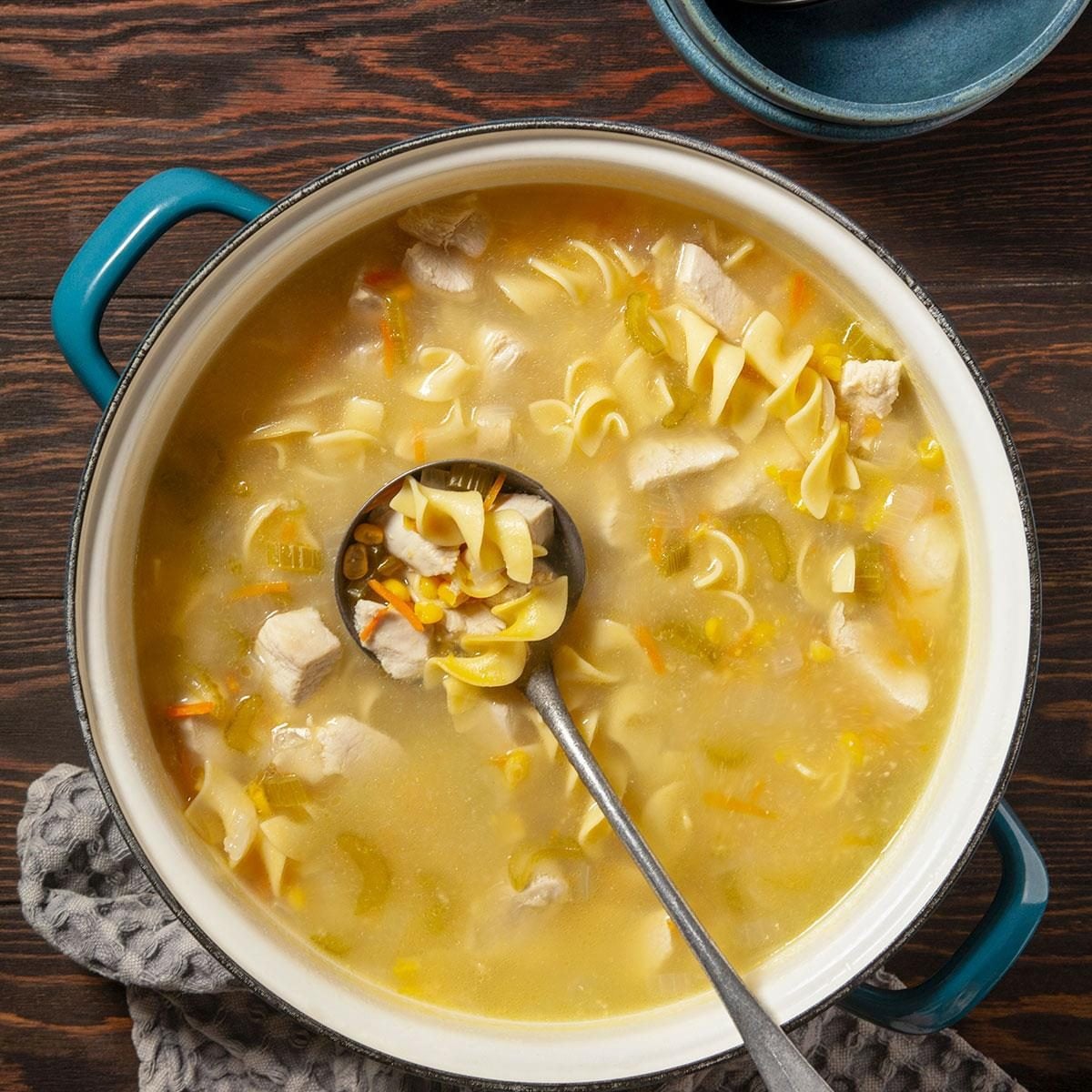
Chicken Corn Soup: A Tale of Two Comforts
Few dishes evoke such universal comfort as a steaming bowl of chicken corn soup. It's a culinary hug, a warmth that transcends cultures and traditions. Yet, like many beloved recipes, its journey across continents and communities has led to fascinating evolutions. This article dives into two distinct, incredibly satisfying interpretations of chicken corn soup: the delicate, umami-rich Indo-Chinese style, particularly its Pakistani adaptation, and the hearty, rustic Pennsylvania Dutch rendition. While both celebrate the simple harmony of chicken and corn, their methods, ingredients, and resulting experiences couldn't be more different, offering a delightful exploration for any food enthusiast.
The Global Appeal of Chicken Corn Soup
The concept of combining tender chicken and sweet corn in a comforting broth seems inherently natural, leading to its widespread appeal. What begins as a fundamental idea—nourishing soup—transforms as it encounters local palates, available ingredients, and culinary philosophies. This phenomenon is vividly illustrated by the journey of Chinese cuisine into South Asia, giving birth to the popular "Indo-Chinese" style. Similarly, European settlers brought their culinary traditions to the American colonies, where they adapted to local produce and preferences, forging new regional classics like Pennsylvania Dutch cooking.
Understanding these distinct paths allows us to appreciate not just the deliciousness of each soup, but also the rich tapestry of culinary history they represent. From the bustling streets of Lahore to the pastoral landscapes of Lancaster County, chicken corn soup remains a testament to food's power to connect us to our heritage and provide solace.
Unpacking Indo-Chinese Chicken Corn Soup: A Pakistani Twist
Indo-Chinese cuisine is a vibrant testament to culinary fusion, where traditional Chinese dishes are reimagined with a South Asian flair, often incorporating stronger spices, specific aromatics, and local preferences. The Pakistani-style chicken corn soup is a prime example of this delicious adaptation, deeply ingrained in family meals and comfort food traditions.
Flavor Profile and Texture
This style of chicken corn soup is characterized by its clear, savory broth, often with a delightful tang from vinegar and an umami depth from soy sauce or coconut aminos. It's typically not spicy, allowing the natural sweetness of the corn and the richness of the chicken to shine through. The texture is key: tender, shredded chicken, soft, sometimes pureed corn kernels, and most distinctively, delicate, wispy ribbons of cooked egg white that float gracefully in the soup, adding a beautiful visual and a subtle textural element. A slight thickness, achieved through a starch slurry, gives it a satisfying mouthfeel without being overly heavy.
Key Ingredients and Preparation
- Chicken: The foundation is a robust homemade chicken stock. Often, bone-in chicken pieces (like thighs and legs or a cut-up whole chicken) are boiled directly in water with garlic, salt, pepper, and vinegar. This not only yields tender meat for shredding but also infuses the broth with unparalleled depth.
- Corn: Sweet corn is essential. While canned whole corn kernels work well, many prefer the smoothness and creaminess achieved by using cream-style canned corn. For those avoiding added sugars, a clever trick involves blending a portion of whole corn kernels with a little liquid from the can or broth to create a homemade creamy texture.
- Aromatics and Seasonings: Minced garlic, salt, and pepper (white pepper is traditional for Chinese cuisine, but black pepper works perfectly) form the aromatic base. Rice vinegar adds a crucial tangy counterpoint, while soy sauce or gluten-free coconut aminos contribute umami and depth of color.
- Thickening Agent: Traditionally, corn flour (cornstarch) is used to create the desired slight viscosity. However, for those on gluten-free or grain-free diets, arrowroot powder/starch is an excellent, undetectable substitute. The key is to create a slurry with cold water before adding it to the hot soup to prevent lumps.
- Egg White Ribbons: This is a signature element. Beaten egg whites are slowly drizzled into the gently simmering soup while stirring continuously. This technique creates those beautiful, delicate white ribbons that are so characteristic of this soup. Rigorous testing has shown egg whites yield the best results compared to whole eggs.
Dietary Adaptations and Practical Tips
A significant aspect of the Indo-Chinese style, particularly in modern adaptations, is its flexibility for dietary needs. Substituting soy sauce with coconut aminos and corn flour with arrowroot powder makes it easily gluten-free and grain-free. This commitment to healthy eating, without sacrificing authenticity, makes it a popular choice. Furthermore, it's inherently meal-prep and freezer-friendly, allowing busy families to enjoy homemade comfort with ease.
Pro Tip: When making your own stock, ensure you boil the chicken until fully cooked, typically around 30 minutes for bone-in pieces. If using store-bought stock to shorten cooking time, remember to add pre-boiled chicken and adjust salt levels, as commercial stocks can be quite high in sodium. For perfect egg ribbons, make sure your soup is at a gentle simmer, not a rolling boil, and pour the egg whites in a thin stream while stirring steadily.
The Hearty Comfort of Pennsylvania Dutch Chicken Corn Soup
Venturing across the globe, we find a distinctly different, yet equally comforting, interpretation of chicken corn soup rooted deeply in American culinary history: the Pennsylvania Dutch style. This soup is less about delicate refinement and more about rustic heartiness and satisfying sustenance, reflecting the farming communities from which it originated.
Flavor Profile and Texture
Pennsylvania Dutch chicken corn soup is renowned for its rich, deeply savory chicken flavor. The broth, often made from a whole chicken, is robust and satisfying. The texture is markedly different from its Indo-Chinese counterpart; it's a substantially heartier soup, brimming with chunky pieces of chicken, sweet corn, and its most distinguishing feature: homemade egg noodles. These tender, often irregularly shaped noodles make the soup incredibly filling and comforting, truly a meal in a bowl. While some modern takes might lean towards a creamy chowder broth with potatoes, the classic rendition emphasizes a clear, rich broth with the substantial addition of egg noodles.
Key Ingredients and Preparation
- Whole Chicken: The foundation of this soup is a rich broth derived from boiling a whole chicken. This method extracts maximum flavor, creating a deeply satisfying base that defines the soup's character. The cooked chicken is then removed, deboned, and shredded or cut into chunks.
- Corn: Sweet corn, whether fresh, frozen, or canned, is a vital component, adding bursts of sweetness and texture.
- Homemade Egg Noodles: This is arguably the most defining characteristic. Simple dough made from eggs and flour is rolled out and cut into varying shapes and sizes, then added directly to the simmering soup to cook. These noodles absorb the rich broth, becoming tender and incredibly satisfying. They are the heart of the "hearty" aspect.
- Potatoes (Optional/Variant): While not always present in the most traditional recipes, some popular creamy chicken corn soup variations, particularly those resembling a chowder, incorporate diced potatoes for added bulk and creaminess. This highlights the adaptability of comfort food recipes within a regional style.
- Seasoning: Simple seasonings like salt and pepper allow the natural flavors of the chicken and corn to dominate, resulting in a wholesome, honest taste.
The Art of Homemade Noodles
The commitment to making homemade egg noodles is what truly sets this soup apart and elevates it beyond a simple chicken broth with corn. The process, while requiring a little extra effort, yields noodles with an unparalleled texture and flavor that store-bought varieties simply cannot replicate. They are the hallmark of authentic Pennsylvania Dutch cooking, showcasing a dedication to traditional techniques and wholesome ingredients.
Pro Tip: When making homemade egg noodles, don't overwork the dough. A simple mix, roll, and cut is often sufficient. The beauty is in their rustic irregularity. Ensure your broth is simmering gently when you add the noodles, and they will cook quickly, becoming tender and ready to serve.
A Culinary Showdown: Key Differences and Similarities
While both Indo-Chinese (Pakistani-style) and Pennsylvania Dutch chicken corn soups offer immense comfort, their approaches to achieving that goal are vastly different, reflecting their distinct cultural origins and culinary philosophies.
Broth Base and Texture
- Indo-Chinese: Prioritizes a lighter, clearer broth, often made from chicken pieces, with a slight thickening from starch. The goal is a smooth, often velvety consistency.
- Pennsylvania Dutch: Focuses on a deeply flavored, robust broth extracted from a whole chicken, often without added thickeners, letting the richness of the chicken stock and the heft of the noodles carry the soup.
Thickening Methods and Components
- Indo-Chinese: Relies on a starch slurry (corn flour or arrowroot) for a smooth, slightly viscous broth, and delicate egg white ribbons for texture.
- Pennsylvania Dutch: Achieves its heartiness through substantial homemade egg noodles that absorb broth and provide significant bulk, sometimes supplemented by potatoes. There's generally no external thickening agent for the broth itself.
Flavor Profile
- Indo-Chinese: A nuanced balance of savory, sweet (from corn), tangy (from vinegar), and umami (from soy/aminos), with a clean finish.
- Pennsylvania Dutch: A more straightforward, rustic savory profile, deeply chicken-centric, with the sweetness of corn and the satisfying chew of homemade noodles.
Overall Experience
- Indo-Chinese: Offers a lighter, more elegant, and often sophisticated comfort, with a focus on specific textures and balanced flavors. It can feel restorative and easily adaptable for various dietary needs.
- Pennsylvania Dutch: Delivers a truly hearty, satisfying, and rustic meal-in-a-bowl experience. It's the kind of soup that "sticks to your ribs," perfect for cold days or after a long day's work.
Despite these differences, a core similarity binds them: the celebration of tender chicken and sweet corn. Both styles highlight how simple, quality ingredients, when treated with care and cultural understanding, can transform into dishes that resonate deeply with those who consume them.
Conclusion
The journey of chicken corn soup from its various origins to the beloved forms we enjoy today is a testament to the dynamic nature of food. Whether you crave the delicate, tangy notes and silky egg ribbons of a Pakistani-style Indo-Chinese chicken corn soup, or the wholesome, noodle-filled embrace of a Pennsylvania Dutch classic, both dishes offer profound comfort and culinary delight. Each spoonful tells a story of adaptation, tradition, and the universal desire for warmth and nourishment. We encourage you to explore both styles in your kitchen, appreciating the unique heritage and deliciousness that each brings to the table, and perhaps even discovering a new family favorite along the way.
